
Brand voice 7 min read
How to write a brand voice guide your AI will actually follow
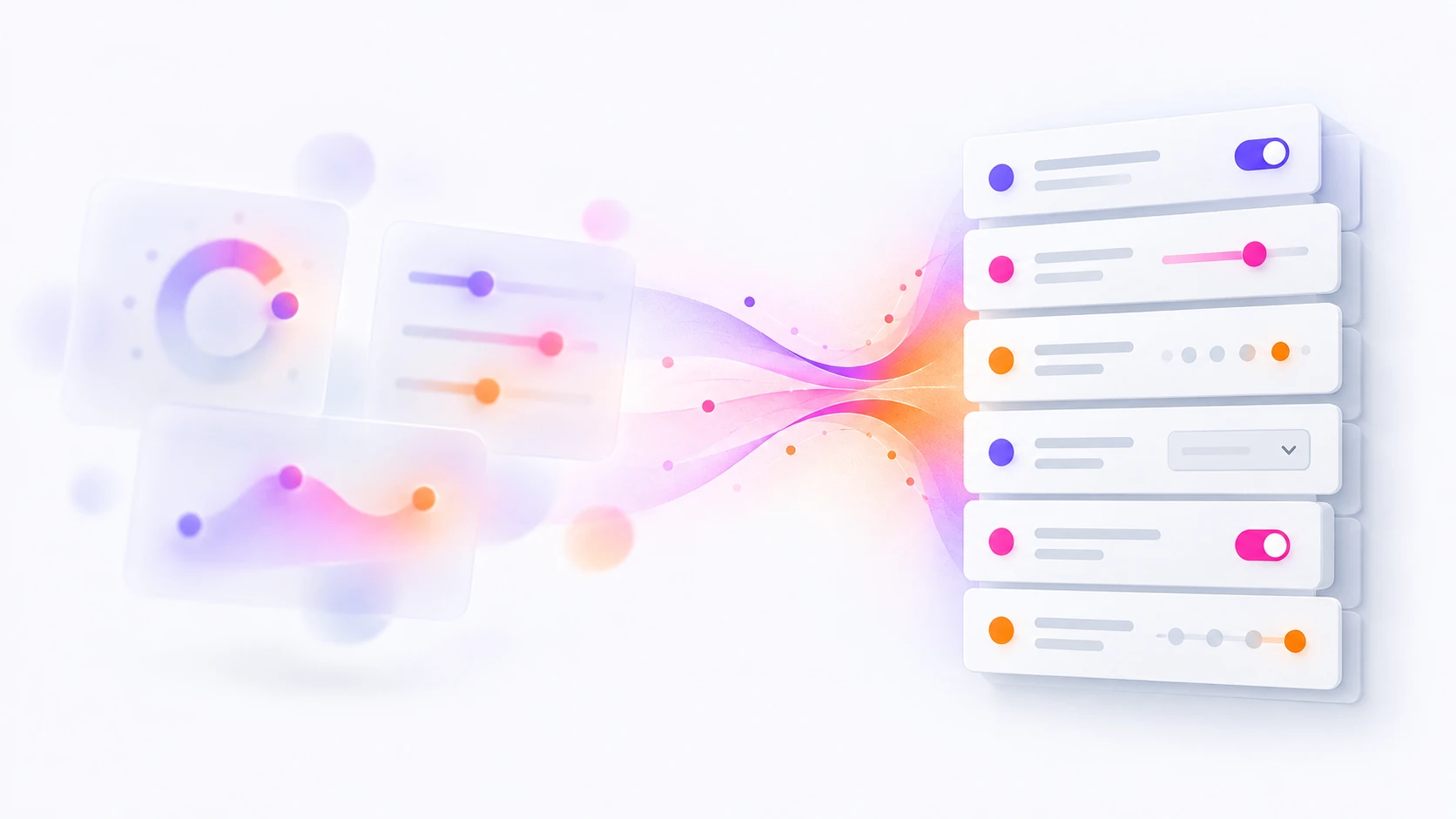
To write a brand voice guide an AI will actually follow, replace vague adjectives with things a model can execute: a quantified tone scale, a list of approved and forbidden words, do and don't example pairs, specific audience details and real proof points. "Be bold, be human" tells an AI nothing. "Formality 3 of 10, never use 'utilise', say 'members' not 'users'" tells it exactly what to do. Then the payoff most guides miss: have it remembered once instead of re-pasted into every prompt.
This post covers why most brand voice guides fail with AI, a structure you can fill in today and how to make it something a tool follows rather than a document nobody opens.
What is a brand voice guide?
A brand voice guide is a document that defines how your brand sounds and writes, so anyone or anything producing your copy stays consistent. It sets your tone, your positioning, the words you use and ban, your audience and the proof you may cite. It used to be written for human copywriters. Now it has to work for the AI writing a growing share of your content, and that changes what a good one looks like.
A person reads "be confident but approachable" and fills the gap with judgement built over years. A model has none, so it returns the average of everything it has seen. A brand voice guide for AI has to remove the gap.
Why do most brand voice guides fail with AI?
Most brand voice guides fail with AI because they are written in adjectives, and adjectives do not transfer. "Bold", "human", "premium" and "trustworthy" mean something different to every reader and nothing consistent to a model. The guide reads well, but there is no instruction in it a machine can act on.
The failure shows up in three ways:
- Abstraction. "Sound human" has no operation attached, so the model cannot tell whether it succeeded.
- No boundaries. Nothing lists the words you never use, so the model defaults to the generic phrasing you were trying to avoid.
- No proof. With no real numbers to cite, the model invents them, and your on-brand copy now carries a statistic you never published.
A guide fixes this by being concrete enough that a person and a model make the same call from it.
What goes in a brand voice guide an AI can follow?
An AI-ready brand voice guide has seven sections, each written to be executed rather than admired. This is the structure Writey stores as Brand Memory, what a writing tool actually reads before a draft.
| Section | What to write | Weak version to avoid |
|---|---|---|
| Positioning | What you are, what you are against, the one idea you own | "Market leader in innovation" |
| Audience | Who you write to and the words they use themselves | "Everyone who needs us" |
| Products | What you sell, named the way you name it | "Solutions and services" |
| Tone scales | Each trait as a number on a range, not an adjective | "Bold and friendly" |
| Approved and forbidden words | The exact terms you always use and never use | "Sound on brand" |
| Proof points | Real numbers, outcomes and names the writer may cite | "We get great results" |
| Writing sample | A paragraph in your actual voice as a reference | (usually missing) |
Quantify tone instead of describing it
Turn every tone word into a scale with a number on it. A scale gives a model a target to hit, where an adjective gives it a mood to guess at.
- Formal to casual: 3 of 10 (mostly casual, no slang)
- Serious to playful: 4 of 10 (dry wit, never jokey)
- Plain to expressive: 2 of 10 (short words, few metaphors)
- Reserved to bold: 7 of 10 (make the claim, then back it)
Each scale is a decision the writer can apply to a single sentence, which a paragraph of description never is.
List approved and forbidden words
Write the vocabulary out explicitly. This is the fastest way to move copy from generic to yours, and it is the section most guides skip entirely.
- Always: members, plan, get started, on brand
- Never: users, package, sign up now, utilise, leverage, seamless, game-changer
- Product names: Brand Memory (not "the memory feature"), Signal Brain (not "the AI")
Write do and don't pairs that transfer
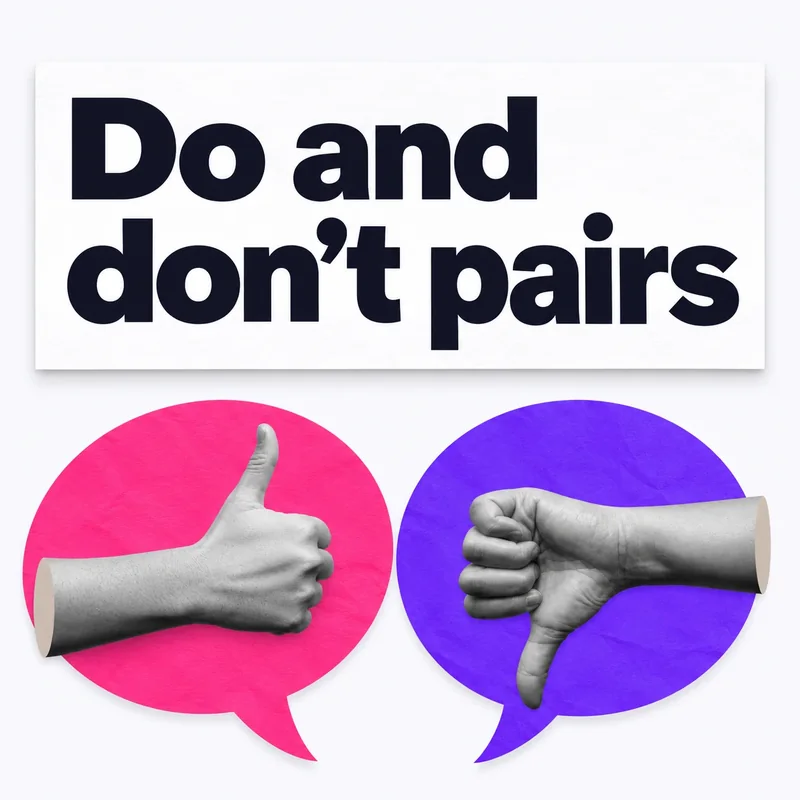
One good example pair carries more than a paragraph of rules, because it shows the rule instead of stating it. Give the model the same message both ways.
- Don't: "Utilise our robust platform to supercharge your workflow."
- Do: "Writey remembers your brand, so every draft starts on brand."
The pair teaches the tone scale, the banned words and the sentence rhythm at once. Include three or four covering your most common mistakes.
How do you make the guide something AI actually follows?
You make the guide followed rather than filed by storing it where the writer reads it automatically, instead of pasting it into a prompt every time. A document in a shared drive is a reference someone has to remember to open. For AI, the guide only works if it loads before every draft without anyone reattaching it. That reattaching is where guides die: it loses to friction, so most AI copy is written with no guide at all, and a prompt cannot carry everything anyway.
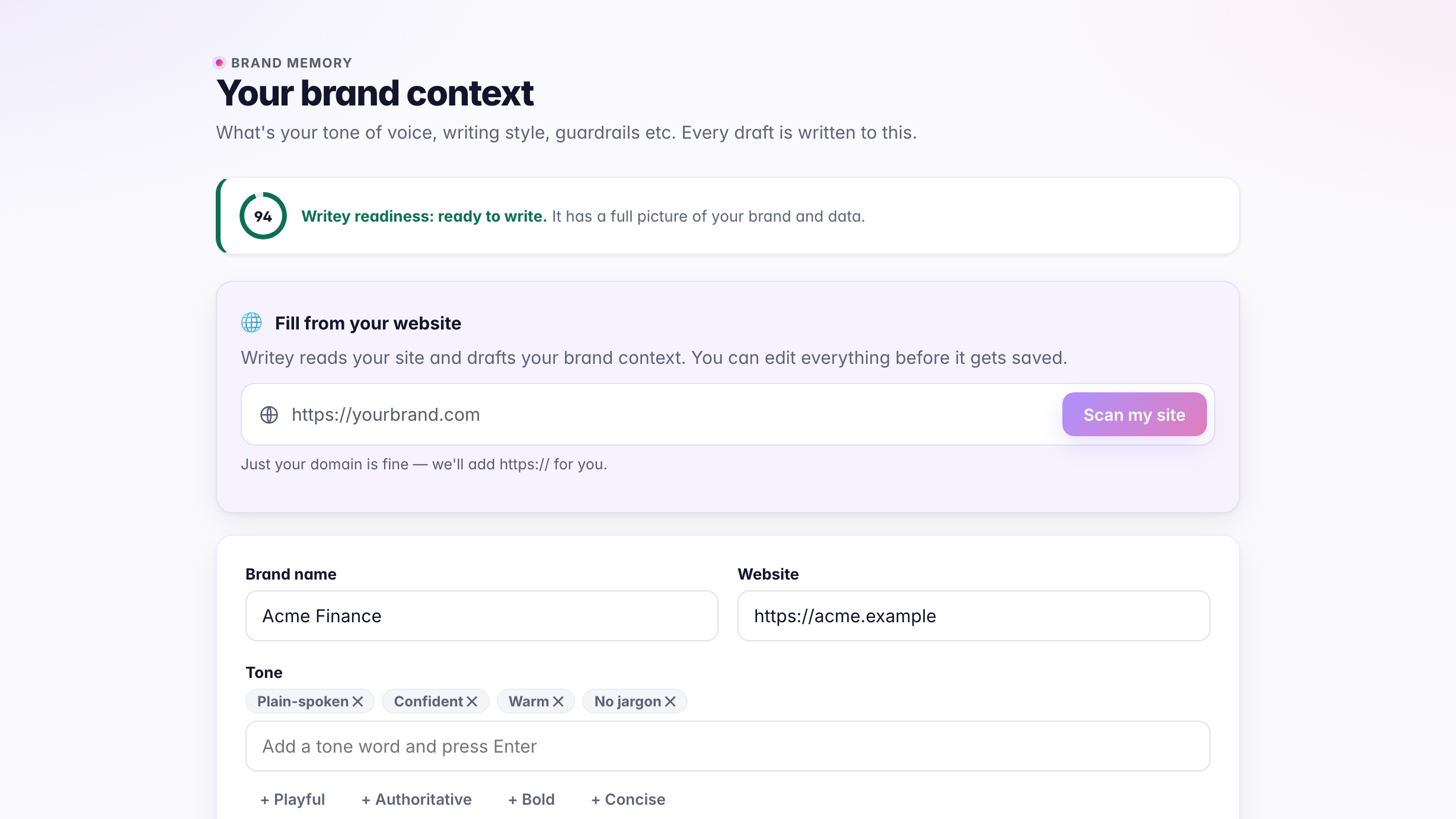
Writey closes that gap. Its Brand Memory stores these seven sections once, your positioning, audience, products, tone, approved and forbidden terms, proof points and a writing sample. Every brief then inherits them, so the draft is written to your guide without you attaching it, and the proof points are the only figures the writer may cite, which stops invented numbers at the source. For the deeper reason generic tools drift off brand, see why ChatGPT doesn't sound like your brand, and see the range it applies to across the formats Writey writes.
Frequently asked questions
What should a brand voice guide include?
A brand voice guide should include your positioning, your audience, your products named your way, quantified tone scales, a list of approved and forbidden words, real proof points the writer may cite and a short writing sample in your actual voice. For AI, each section has to be concrete enough to act on, so tone scales replace adjectives and word lists replace "sound on brand".
How do I train AI on my brand voice?
You train AI on your brand voice by giving it executable rules, not adjectives, and storing them so they load on every task. Quantify your tone, list the words you always and never use, add do and don't pairs and cite only real proof. Writey holds all of this in Brand Memory and applies it to each draft, so you teach it once instead of re-briefing it every time.
What is a good brand voice example?
A good brand voice example is a do and don't pair on the same message. "Don't: utilise our robust platform to supercharge results. Do: Writey remembers your brand, so every draft starts on brand." The pair shows the tone, the banned words and the rhythm together, which transfers far better than describing the voice in the abstract. You can try it free.